Friday, November 30, 2007

AKOLA – COTTON CITY

Akola in the Vidarbha region of Indian state of Maharashtra is best known as cotton city due to the abundant cultivation of cotton and cotton mills. It is largest cotton producing region of India.
Akola region was the capital of legendary king Vidarbha, who has some mentions in the holy book of Mahabharata.
Akola had many rulers, right from Mayuran, Yadavas, Muslims and British till it became the integral part of India after independence.
The history can still be visualized, there are some forts still can be seen like Narnala Fort, Akot Fort, Akola Fort and Belapur Fort.
Akola popularly known as cotton city is also a major producing center of Dal (Pulse) and oil.
Akola lies on the Tropic of Cancer, and therefore, even during hot season the nights are cold.
Akola is well –known for advanced medical facilities, especially, Elizarov technique and IVF.
Sheagaon another pilgrimage place is just 45 kms from Akola.
Raj Rajeshwar temple is famous for pilgrims.
Akola has its own airport namely Shivani airport.
Akola is on the main railway route of BombayNagpur railway lines.

Monday, November 26, 2007

ANANTPUR --- PUTTAPARTHI AND BELUM CAVES

Anantpur or Anantapuram as is known in vernacular local language is in the Indian state of Andhra Pradesh. Anantpur is also the home town of former Indian President Neelam Sanjiv Reddy.
Though Anantpur has not many places locally, except the Anantpur Tower Clock which was built during the independence days, there are any many places of interests near Anantpur.
Lepakshi temple, 15 kms from Anantpur, Lepakshi means temple of blinded eye. The story is that Virupanna, a treasurer executed the plans of temple spending the treasures of the Vijaynagar King, and who was subsequently punished to blind his eyes, the two black spots can still be found on the walls of Kalyan Mandaps.
The beautiful sculptures on the prakaram are Lord Shiva’s 14 forms, a notable example of Vijaynagar style of architecture.
Another visiting sight is Belum Caves, 85 kms from Anantpur, 3229 length (mtr) , with long passages, spacious chambers, fresh water galleries and siphons. The deepest point is 120ft from entrance level. These caves formed by erosion of the lime stone deposits millions years ago, were used by Jains and Buddhists monks for spiritual developments. Tourism dept has some arrangements for restoration and maintenance of the caves for the convenience of the visitors, moderate dormitory type of accommodation is also available near caves site.
Puttaparthi , 97 kms from Anantpur is the home of Shri Sathya Sai , the “ Godman “ who preaches the universal religion, love and service to the mankind, with vast number of devotees from all over the world.
Thimmamma, 100 kms from Anantpur has a banyan tree with its branches spread over 5 acres; this tree has been recorded as the biggest tree in the Guinness Book of World Record 1989.

Friday, November 23, 2007

KOLHAPUR--- RELIGION, CHILLIES AND JAGGERY

Kolhapur, a district place and a small city in the southern part of Indian state of Maharashtra, is a place known more as an entry to Konkan, the western sea-shore of India.
The city situated on the banks of river Panchganga, is famous for its ties to Maratha rulings in the Indian history.
It is here that one of the most prominent temples, The Mahalaxmi Temple, the one of the Shakti Piths, the place of Goddess of Power, is situated. The temple architecturally built in Chalukya era in 700 A.D. is a famous place of visit for all Hindus.
During British Raj, Kolhapur was a princely state, and later became after independence of India, the part of Bombay State.
But Kolhapur, apart from this temple, is a well-known place for three more things.
Kolhapur Chillies, Kolhapur Jaggery a type of unrefined sugar typically used in India, and Kolhapuri Chappals a half-way footwear a footwear that resembles the slippers.
Soil of Kolhapur is very suitable for sugar-cane cultivation, raw material for sugar, jaggery and alcohol.
Another field that Kolhapur has its unique contribution is films particularly Marathi films, a regional language of India. Since Kolhapur has hilly regions and moderate atmosphere the scenic beauty provides the best location spots for films.
It is from Kolhapur, that films stalwarts like Bhalaji Pendarkar, Baburao Painter and the most prominent V. Shantaram started their careers.
The Panhala Fort of Shri Chhatrapati Shivaji, the Great Maratha, is just 1 hours journey from Kolhapur, a type of hill station developed for tourism, the bus and taxis are available from Kolhapur. A tourist should feel comfortable here staying and wandering in hilly treks.
Kolhapur is one of the highest per capita income cities in India, it is reported that Kolhapur has highest number of Mercedes cars, second only to Bombay.
The New Palace of Kolhapur has museum of weaponry, robes, and artifects of Maratha era.
Kolhapur has many hotels suitable for the foreigners for staying and foods.
Kolhapur is a major railway station and daily trains from Bombay are available. The nearest air port is Ujalaiwadi (13 kms) from where flights for Bombay are available.

Monday, November 19, 2007

AYODYA—NOT TO BE WARRED AGAINST

People from all the over the world who are interested in Hinduism, must have heard the name of Ayodhya. Today a small city lost it’s economic and strategic importance to Lucknow and Kanpur, but it was not like this always.
Ayodhya is most ancient and was most magnificent town, it was capital of Hindu Kingdom, Kosalya, the sitting place of King Dashrath, who was father of Lord Ram the sixth Avatar of Lord Vishnu. In Sanskrit the name Ayodhya means one should not dare a war against this country or place.
Ayodhya is predominantly city of temples, here the important saints of Hindus, Jains, Buddhists, were either borne here or they took their spiritual journey from here.
Ayodhya, in the British era, was capital of Awadh State, is now in Faizabad Dist of Uttar Pradesh in India, situated on the right bank of River Sarayu, and is linked to all major cities of India, by road and rail, nearest air ports is Lucknow and Allahabad.
Ayodhya is not only deeply associated with Hinduism since Lord Ram is said to have borne here, it is also the city where Five Thirthakars including the First Thirthakar Shri Rishabh Dev , the founder of Jainism, was borne.
During the Maurayan Empire and Gupta Dynasty , Buddhism had flourished in Ayodhya, and visitor can still see number of Buddhist temples, monuments and presently so many learning centers of Buddhism here, if you wish to learn Buddhism , you must take your lessons here.
But this is not enough, Ayodhya has Thai connection, the Thai Kingdom and city of Ayutthaya, has direct relevance to Ayodhya, it is from this place that a princess had traveled in 11th century to Korea to become the first queen of King Geumgwan Gaya , and who is directly linked as being ancestor of Korean line of monarchy.
Ayodhya is now worshipped as the Ram Janmabhoomi and Hindus from all the India and world come here to pay their respect.
On and off in the news, Ayodhya has many hotels serving the needs of people.

Wednesday, November 14, 2007

AMBER--- HISTORY AND FUN OF ELEPHANT RIDE.

Amber, in the Indian state of Rajasthan, with the scenic entry of this small town-fort at the mouth of a rocky mountain with a lovely lake, has always attracted visitors from all around the world.
Amber is just 11 kms from Jaipur, another city of interests for the tourists.
Founded by Meena Raja in 967A.D. but the much architecture was built by Raja Man Singh in 1600. Jai Singh I and II added some other architecture.
Am elephant ride is available for the tourists thru the steep ramp to add the joy of picnic.
The fort has been built in white marble and red sandstone, with the lake in the foreground giving clear reflection of the fort which is very fascinating.
Amber fort has many building which one must see but the most notable are,
The Diwane E Am or House for Commons, where the king Mirza Raja Man Singh I listened to the complaints and difficulties of the common people. The hall has 40 pillars which have some of the best craftsmanship of Rajput – Mogul style. The southern part has been kept reserved for the royal women named Zanana House, so that they could also watch the proceedings of the meetings.
Diwane E Khas the hall for the privileged, another rich architecture, here the rulers listened and took advices of his inner-most Sardars and the royal guest would be received here and be entertained. The major attraction is the miniature colored glass murals.
Ganesh Pol and Suhag Mandir both are beautifully painted, from where the visitor has to proceed to Charbagh, a garden of Mogul pattern.
Have a rambling in the old city beyond the fort, and see some of ruins of the majestic building, with step wells, and temples, a journey in to past.
Jaipur is just 11 kms away and tourists’ buses and taxis etc are available, in fact all major hotels arrange a tour to Amber Fort with guide

Sunday, November 11, 2007

ALWAR - TIGER GATE OF RAJASTHAN

Alwar a city in the Indian state of Rajasthan is enclosed by Aravalli hills.
The city has flourishing jungles around the hills, lakes and a first sight image of being carved out of rocks. The jungles and the basin is home of numerous types of birds and animals.
The city and places nearby have many forts, palaces, temples with intricate decorations that make Alwar a delightful architectural wonder.
Alwar founded by Maharaja Pratap Singh in the second half of the 18th century, was formerly known as Ulwar but a king changed the name simply for the purpose of brining it on the top of alphabetical order of names of the cities.
Although Alwar has many historical and interesting sites, Alwar is best known for The Sariska Tiger Reserve which is located in Aravalli hills is only few kms from Alwar.
Sariska tiger reserve was formerly the hunting place for the kings of state of Alwar, but after independence of India, it was declared as wild life reserve and is covered under project tiger.
Sadly, however as per the census of 2005 there are no tigers left in the jungles. The jungle however has number of other wild creatures like leopards, jungles cats, hyenas, jackals, sambar and chowsingha.
This reserve has some other temples of 9th and 10th century namely Neelkanth Mahadev Temple and Garh Rajor. The Kankawadi Fort is located near the centre of the reserve.
Bala Quila is the fort in the Alwar standing on 300 meters steep cliff; nobody knows who built it because it was built even before Moguls came to India.
Alwar is famous for terracotta statues, carpets, shoes, bangles and pottery. There are various bazaars, mainly, Bazaza Bazaar and Saraf Bazaar.
Alwar is 160 kms from Delhi and 150 kms from Jaipur, both are linked by air to other important cities.
There are many hotels for the budgeted but the luxury hotel Neemrana Fort Palace hotel built by restoring the ruins of the fort is very interesting.

Thursday, November 8, 2007

AJMER ---PUSHKAR & DARGAH SHAREEF

Ajmer formerly known as Ajaya Meru was established by Raja Ajay Pal Chauhan in 10th century. He established the Chauhan dynasty, since then Ajmer had many rulers Moguls, Marathas, British, and is now the integral part and town in the Indian State of Rajasthan.
Although Ajmer is major town place, the city is best known for two important things.
PUSHKAR, a town nearby Ajmer (14 kms), has a temple of Lord Brahma and Pushkar Lake; the place is tourist attractions points and the place of pilgrimage for Hindus. This is the only temple in the whole world of Lord Brahma, Creator of World.
Pushkar is also famous for the camel fair held annually. The Thar Desert is nearby. In fact so many tourists enjoy the camel ride. The desert festival is held here.
And most well known place is Dargah Sareef of Khwaza Moinuddin Chisti a Sufi saint is pilgrimage point for Muslims as well Hindus. The people of both these religions come here to grant their prayers. Mogul emperor Akber the Great was coming here every year of foot in observance of his vow when he prayed for a son to his throne.Taragarh Fort is reputed to be the oldest hill fort in the world.
Ajmer is famous for another thing, the Mayo College, established by Lord Mayo, the then Viceroy of India, especially for the nobles of Rajputana family so that they can be ushered in to able administrators. The main building in white marble is a classic example of Indo- Saracenic architecture a fine mixture of Indian, Muslim and British style of architecture.
The city has mostly wide streets and neat built houses. Although Ajmer is not a major commercial center, it has some significant share in the textile, hosiery, shoes, soap, and pharmaceuticals and poultry farms.
Saturday, November 3, 2007

ALLAHABAD – KUMBHA MELA – THE EXPERIENCE OF LIFE TIME BEGINS HERE.

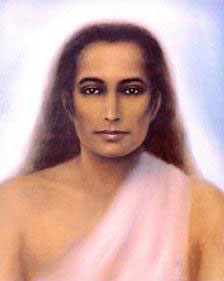
PARAMHANSA YOGANANDA " AN AUTOBIOGRAPHY A YOGI "

Allahabad or Illahabad as the name given by Emperor Akber the Great Mogul who founded the city in 1853, has a history of not years but years when life emerged on earth.
The ancient name is Prayaga meant “place of sacrifice” which Lord Brahma gave when he created the world and offered his sacrifice here.
Allahabad is best know for Kumbha Melas, the venue when saints, sadhus gather here to take bath in the holy rivers of Ganga and Yamuna. Allahabad is a most important place to be visited by Hindus, a must for any Indian during his lifetime, since Allahabad is situated at the confluence of Ganga and Yamuna.
But this is not a place for Hindus only, now days people from western counties are the frequent visitors who are fascinated by the Indian spiritualism and mythology. The saints and sadhus give their lifetime preaching here for Samadhi (withdrawal of Soul from Body)
Mark Twain who visited the Kumbha Mela in 1895 has noted “…. it is beyond the imagianation of our kind of people, the cold whites,,,,,,,)
In fact if one is seriously interested in seeking HIM, then a dialogue with a sadhu or saint who come here only once in 12 years, shall be a very rich experience.
This is the place where famous Paramhansa Yogananda the author of the famous book “ An Autobiography of a Yogi” met his Guru Mahavatara Babaji in a Kumbha Mela.
But Allahabad is famous for yet another thing, it has given 7 Prime Ministers to India, some of them were either born in Allahabad, or were students of Allahabad University or were elected from Allahabad Constituency.
It was from Allahabad that Prince Salim revolted against Akber and held the parallel court, he was later declared the Emperor by Akber , The Great.
Allahabad is directly linked by air to Delhi and other major cities of India, and it is the Head Quarter of Northern Indian Railways.
Flocked by Indian and western all round the year, Allahabad has number of hotels of four and five stars, and hotels for economical budgeted.